

Telehealth
Healthcare is changing rapidly, and one of the biggest innovations in recent years is telehealth. From virtual doctor visits to online prescriptions and remote monitoring, telehealth has transformed the way patients access medical care. Whether you live in a busy city or a rural area, telehealth offers convenience, affordability, and faster healthcare solutions.
In this detailed guide, we’ll explain what telehealth is, how it works, its benefits, common services, and why it is becoming the future of modern healthcare.
What Is Telehealth?
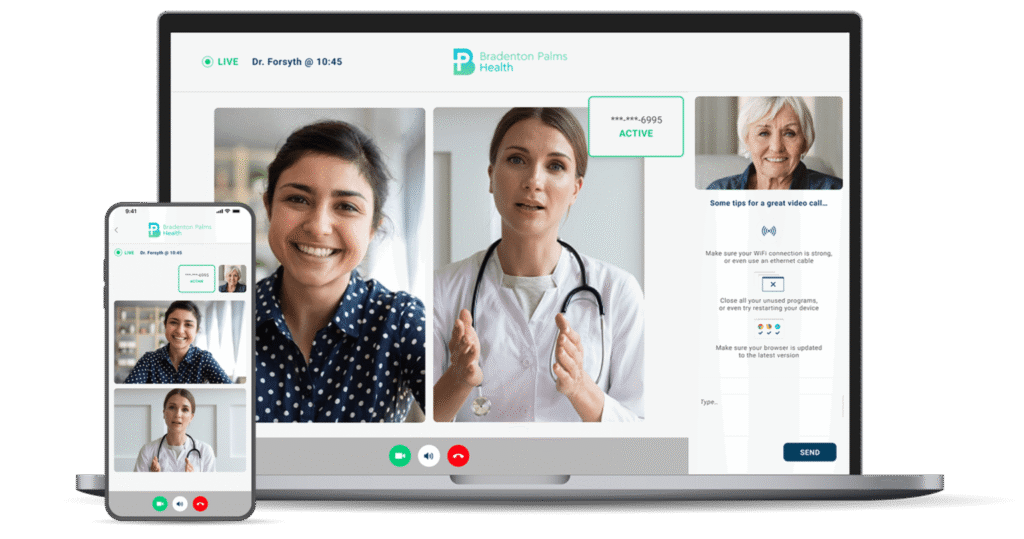
Telehealth refers to the use of digital communication technologies such as video calls, phone consultations, mobile apps, and online portals to deliver healthcare services remotely. Instead of visiting a clinic or hospital in person, patients can connect with licensed healthcare professionals from the comfort of their homes.
Telehealth includes:
- Virtual doctor appointments
- Mental health counseling
- Prescription refills
- Follow-up care
- Chronic disease monitoring
- Specialist consultations
- Health education and wellness support
Telehealth is often confused with telemedicine. While telemedicine focuses mainly on remote clinical services, telehealth covers a broader range of healthcare support including prevention, education, and management.
How Does Telehealth Work?
Using telehealth is simple and user-friendly. Most healthcare providers now offer online services through secure platforms.
Step-by-Step Process:
1. Book an Appointment
Patients schedule a virtual consultation through a website, mobile app, or by phone.
2. Choose Communication Method
Appointments can happen through:
- Video conferencing
- Phone calls
- Secure messaging
- Mobile apps
3. Meet the Provider
During the session, the doctor or specialist discusses symptoms, medical history, and treatment options.
4. Receive Care Plan
After consultation, patients may receive:
- Prescription medications
- Lab test recommendations
- Specialist referrals
- Follow-up appointments
5. Ongoing Monitoring
Some telehealth programs use wearable devices or apps to track health progress remotely.
Benefits of Telehealth
Telehealth has become extremely popular because it solves many common healthcare problems.
1. Convenience
Patients can talk to doctors without traveling or waiting in crowded clinics. This saves time and energy.
2. Faster Access to Care
Instead of waiting days or weeks for appointments, telehealth often offers same-day or next-day consultations.
3. Cost-Effective
Virtual appointments may cost less than in-person visits, especially when travel expenses are considered.
4. Better Access in Rural Areas
People living far from hospitals or specialists can receive quality healthcare online.
5. Reduced Exposure to Illness
Telehealth helps patients avoid crowded waiting rooms, reducing the spread of infections.
6. Improved Chronic Disease Management
Patients with diabetes, hypertension, asthma, or heart conditions can receive regular follow-ups more easily.
Common Telehealth Services
Telehealth can be used for many medical needs.
Primary Care
General health concerns such as fever, cold, allergies, minor infections, and wellness checks.
Mental Health Support
Online therapy and counseling for anxiety, depression, stress, and emotional wellness.
Dermatology
Skin conditions such as acne, rashes, eczema, and mole evaluations through image sharing.
Women’s Health
Birth control consultations, menopause guidance, fertility counseling, and general wellness.
Men’s Health
Support for hair loss, erectile dysfunction, hormone health, and lifestyle improvement.
Chronic Care
Monitoring long-term conditions like diabetes, obesity, blood pressure, and thyroid issues.
Pediatric Care
Parents can consult pediatricians online for children’s health concerns.
Telehealth for Weight Loss and Wellness
Telehealth has become especially popular in weight management. Many online clinics now offer access to licensed providers who create personalized plans for obesity and metabolic health.
Services may include:
- Nutrition counseling
- Exercise guidance
- Behavioral coaching
- Prescription support
- GLP-1 medication consultations
- Progress tracking
This makes it easier for busy adults to stay consistent with their health goals.
Telehealth and Mental Health Care
Mental health is one of the fastest-growing areas in telehealth. Many people feel more comfortable talking to therapists from home.
Benefits include:
- Greater privacy
- Flexible scheduling
- No travel stress
- Easier ongoing sessions
- Access to specialists
Teletherapy is highly effective for many individuals dealing with stress, anxiety, trauma, and depression.
Is Telehealth Safe?
Yes, reputable telehealth platforms use secure and encrypted technology to protect patient information. Healthcare providers follow privacy laws and professional medical standards.
To stay safe:
- Use trusted licensed providers
- Avoid sharing passwords
- Confirm website security
- Use private internet connections
- Ask questions about data privacy
Who Should Use Telehealth?
Telehealth is ideal for:
- Busy professionals
- Parents with children
- Seniors needing routine follow-up
- Rural residents
- People with mobility challenges
- Individuals managing chronic illness
- Anyone seeking faster healthcare access
When In-Person Care Is Better
While telehealth is excellent for many conditions, some situations require immediate physical care.
Visit a clinic or emergency room for:
- Severe chest pain
- Difficulty breathing
- Major injuries
- Broken bones
- Stroke symptoms
- Heavy bleeding
- Serious infections
Telehealth providers usually recommend emergency services if urgent symptoms appear.
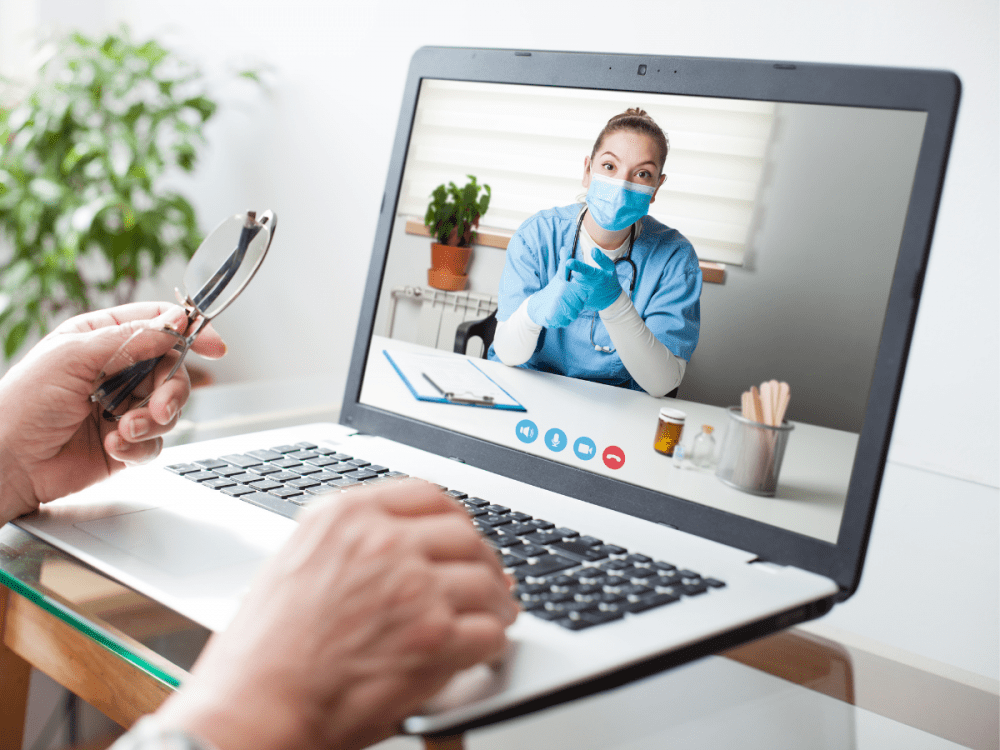
How to Choose the Best Telehealth Provider
When selecting a telehealth service, consider these factors:
Licensed Medical Professionals
Ensure doctors and practitioners are certified.
Transparent Pricing
Look for clear consultation fees and prescription costs.
Positive Reviews
Check patient feedback and ratings.
Easy-to-Use Platform
Choose websites or apps with simple booking systems.
Good Customer Support
Reliable assistance is important if technical issues arise.
Future of Telehealth
Telehealth is expected to keep growing because technology continues improving. Future innovations may include:
- AI-powered symptom checking
- Smart wearable health devices
- Remote diagnostics
- Personalized treatment plans
- Better integration with pharmacies
- Faster specialist access worldwide
Healthcare is moving toward a hybrid model where patients use both online and in-person care depending on their needs.
Telehealth vs Traditional Healthcare
| Feature | Telehealth | Traditional Visit |
|---|---|---|
| Travel Required | No | Yes |
| Waiting Room | No | Yes |
| Quick Access | Often Faster | Slower |
| Convenience | High | Moderate |
| Best for Emergencies | No | Yes |
| Follow-Up Care | Excellent | Good |
Conclusion
Telehealth has revolutionized modern healthcare by making medical support more convenient, accessible, and affordable. Whether you need a routine consultation, mental health support, chronic disease management, or wellness coaching, telehealth offers practical solutions for today’s fast-paced world.
As digital healthcare continues to evolve, telehealth will likely become an essential part of everyday medical care. Choosing the right provider can help you save time, reduce stress, and take better control of your health from anywhere.